
NSW’s Human Composting Bill 2026
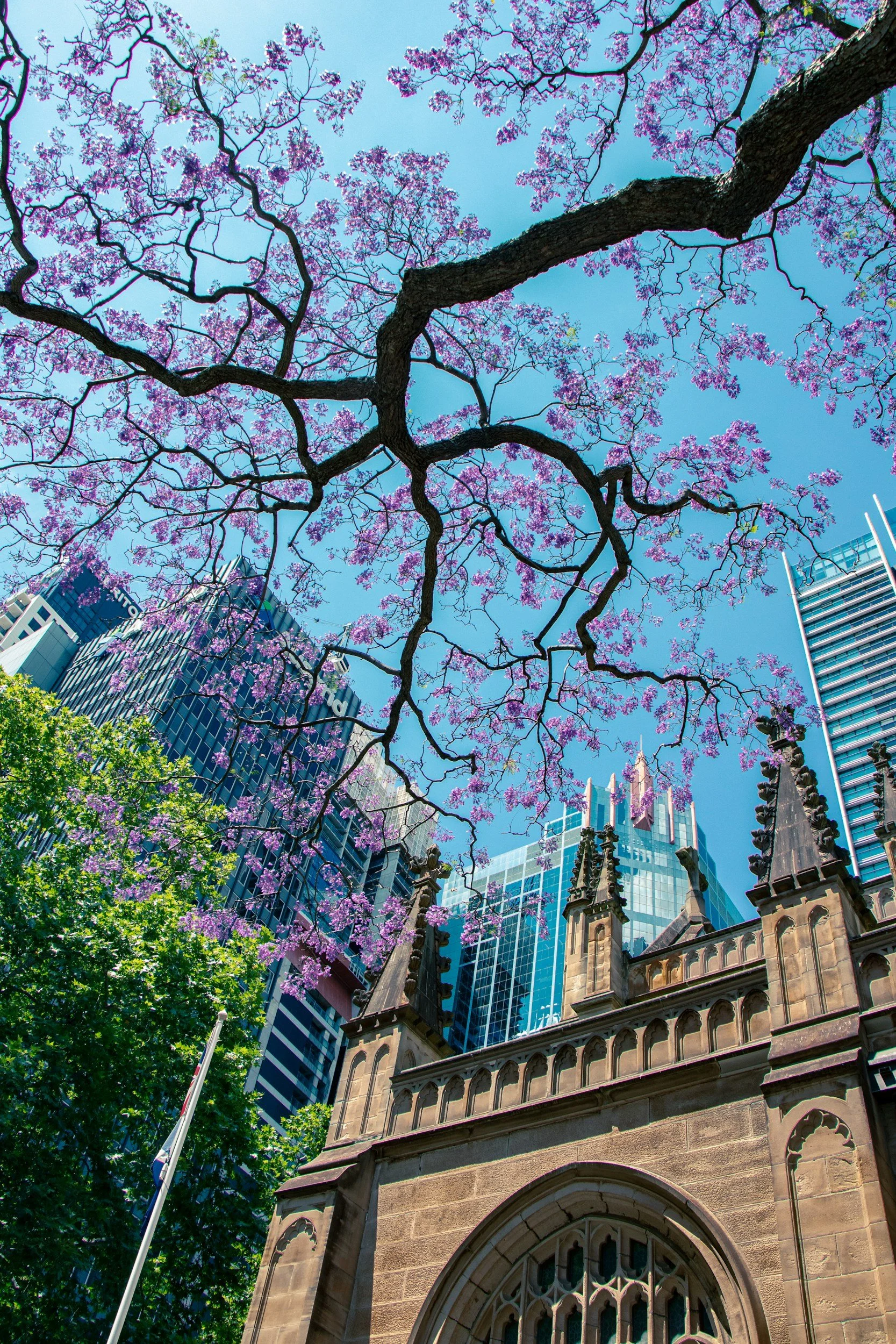
In June 2026, Independent Member for Sydney Alex Greenwich introduced the Public Health Amendment (Natural Organic Reduction) Bill 2026 to NSW Parliament that would, for the first time, create a legal pathway for natural organic reduction (also known as terramation or human composting) in New South Wales.
It is a powerful piece of legislation with a profound implication: that Australians might finally be able to choose, at the end of their lives, a final metamorphosis. The way a caterpillar becomes a butterfly, our bodies too can transform and return gently to the earth, leaving something living and growing behind.
At Evergrove, we have spent the last four years preparing for this moment. Here is what the bill does, what it does not, and where we fit in.
What the bill proposes
Human composting, known formally as natural organic reduction and the process we call terramation, places a body in a vessel with natural materials such as wood chips and straw. Over several weeks, the body's own microbiome gently transforms it into nutrient-rich earth, which can be used for reforestation, soil regeneration, or memorial plantings.
It is a metamorphosis in the truest sense. Not an ending, but a becoming. It is simply what our bodies were always built to do.
The Greenwich bill does not mandate this practice for anyone. It simply gives the NSW Government the power to establish the rules, the facilities, processes, standards, and oversight under which it can be safely and lawfully offered.
In Mr Greenwich's words, "This is not about taking away the current options. It's simply providing an alternative for people to choose if they wish."
Why it matters now
For most of modern history, Australians have had two choices: burial or cremation. Both carry real costs, to the land, to the climate, and increasingly to families' budgets.
Human composting is already legal in 14 US states, including Washington, California, Colorado and New York, and is practised in Germany. Seattle-based operators have estimated it saves between 0.84 and 1.4 tonnes of CO₂ compared with conventional methods. What was once novel is now established practice overseas, supported by years of operational data.
NSW now has the opportunity to be the leading state on this issue in Australia.
The NSW Government's Response
The bill is at the very beginning of its parliamentary journey and the Government's position is still forming. Premier Chris Minns has indicated he would want to understand the practice more fully before committing to a view, and that is the right response to a question of this significance.
End-of-life care deserves careful deliberation, but every year without a legal framework is a year in which Australians who want this choice cannot have it. The international evidence is established, the regulatory thinking has been done, and the groundwork exists to support a process that moves with purpose.
Evergrove welcomes the Government's diligence and is actively contributing to it. Our research, regulatory framework and community consultation are being shared with legislators, health officials and any stakeholder working through these questions.
Where Evergrove Stands
Evergrove is Australia's first NSW-based terramation venture, founded in 2023. It has been built here, researched here, and designed with Australian communities rather than for them. We have published an evolving discussion paper, submitted a proposed regulatory framework to the NSW Ministry of Health, and begun social research into the cultural and community contexts specific to Australian families. We are working with leading international technology and equipment providers and are actively building the relationships needed to integrate terramation responsibly into the existing ecosystem.
We support the Greenwich bill, welcome the Premier's call for diligence, and invite legislators, health officials, faith leaders and families to engage with us as this conversation develops.