
What is terramation?
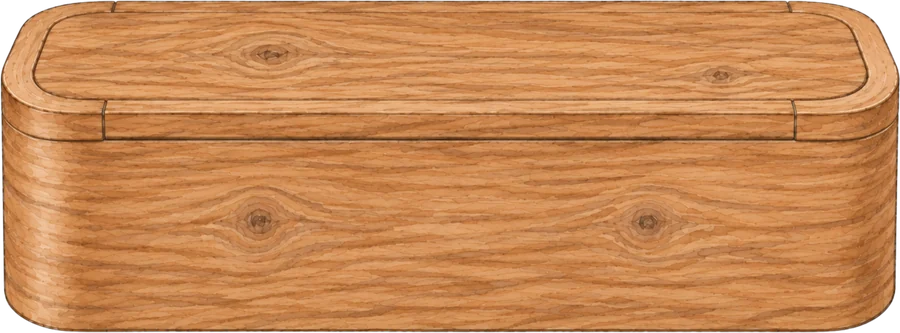
Terramation (also called human composting or natural organic reduction) is an accelerated replication of the burial breakdown process that happens in an aboveground vessel instead of an underground, land locked plot. It returns a body to the earth by transforming it into soil (or scientifically speaking a soil amendment) that nurtures living memorials such as trees, gardens and ecosystems. Like all living things, humans are made of organic matter and our bodies are biologically built to return to the earth.
How long does terramation take?
It takes between 40–90 days depending on the provider, rather than 20 years in an underground plot. At Evergrove, it is expected to take approximately 40–49 days.
Burial in an underground plot
Terramation in an aboveground vessel
How does terramation work?
The acceleration comes from biomimicry. The vessel recreates the ground conditions in which organic matter returns to the earth most efficiently using two key elements: continuous oxygen airflow, and natural fibres such as straw. The terramation FAQ answers what happens to bones, implants and pathogens, and whether there is any smell.
The Terramation Process
-
Step one
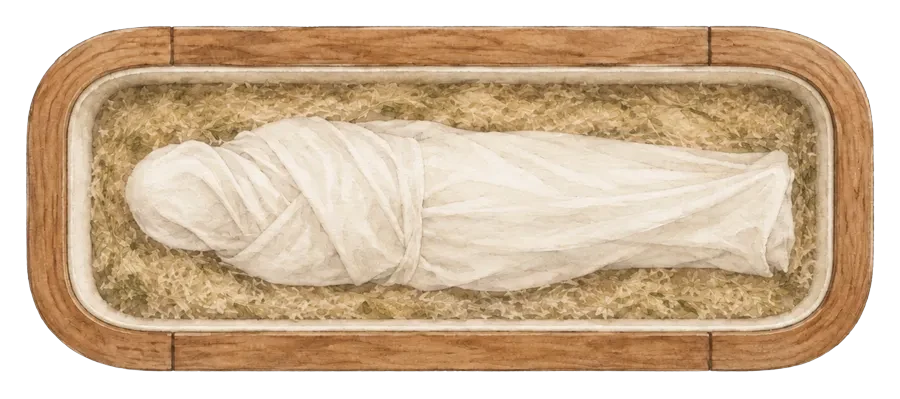
A soft bed of natural fibres such as straw and hay is placed in the vessel before the person is laid to rest on top with a shroud.
-
Step two
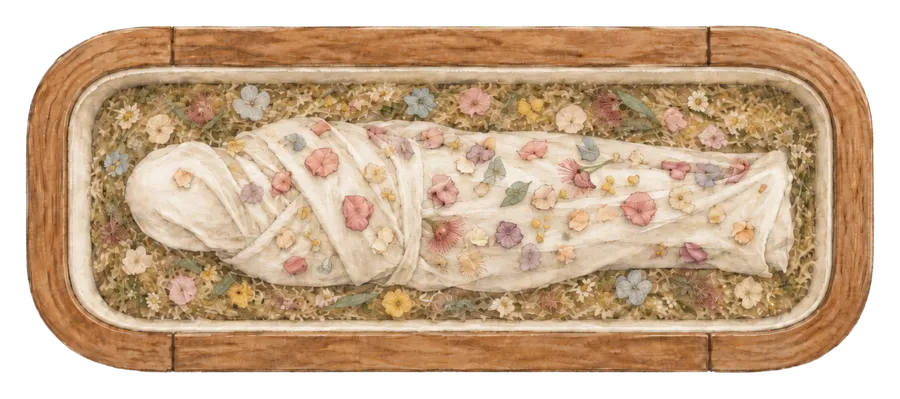
Flowers and biodegradable personal offerings are placed on and around the person by their loved ones.
-
Step three
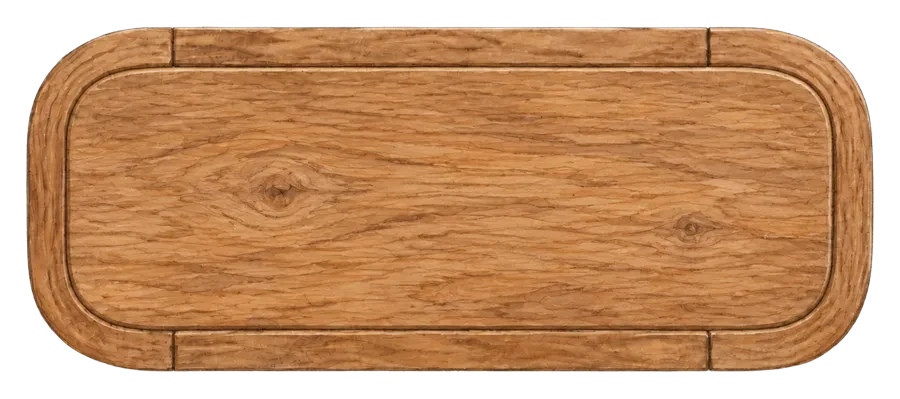
The vessel is sealed for 40 days with continuous aeration.
-
Step four
After 40 days the vessel is unsealed and the soil is screened for inorganics. As occurs in cremation, bone fragments are reduced before being added back to the vessel, and metal implants are removed to be recycled. This step can be bypassed for certain cultural or religious groups where necessary.
-

Step five
After resting for approximately nine days, the soil can nurture a variety of living memorials. This step can be bypassed for burials within a cemetery.